Marble Kitchen Countertops: All You Need to Know
Marble kitchen countertops have long symbolized elegance and timeless design, offering a luxurious touch to any home. Before making this classic choice, it’s worth exploring their unique advantages and the practical considerations that come with their natural beauty.
When we remodeled our kitchen, in our previous home in 2018, I was torn on which countertops to use. I loved the look and feel of marble kitchen countertops, but every contractor working on our kitchen discouraged us away from marble and pushed us toward quartz. I began to look into quartz and after gathering sample after sample I soon realized quartz was just not for me. I kept going back to marble.
I have used marble in TWO active kitchens and have zero regrets!
Disclosure: This post may contain affiliate links. As an Amazon Associate, I earn from qualifying purchases at no additional cost to you.
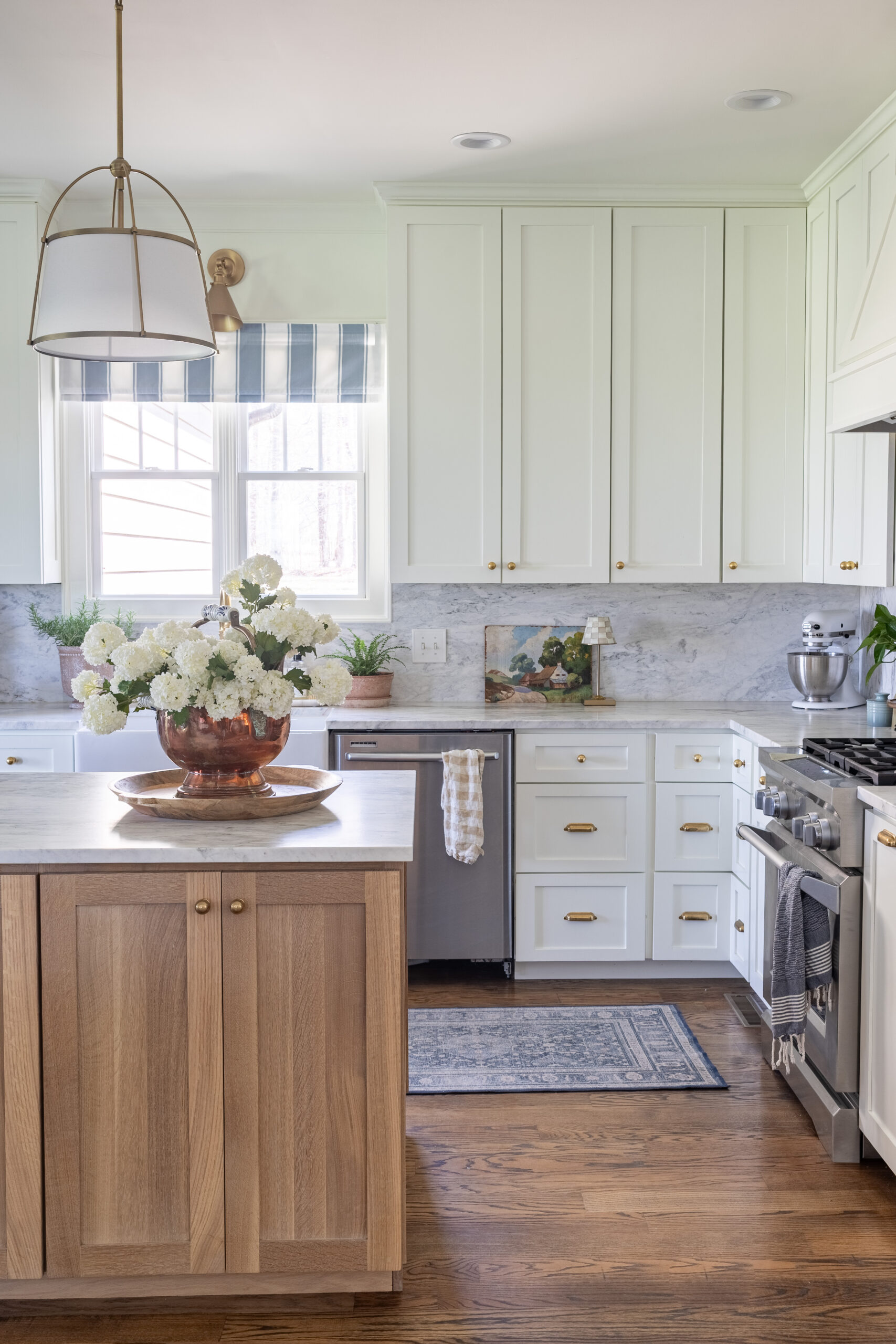
Carrara Marble countertops are elegant, beautiful, and durable. They are a timeless option for kitchens and bathrooms and have been used as a building material since antiquity. They are still popular today; no matter what your contractor may say.
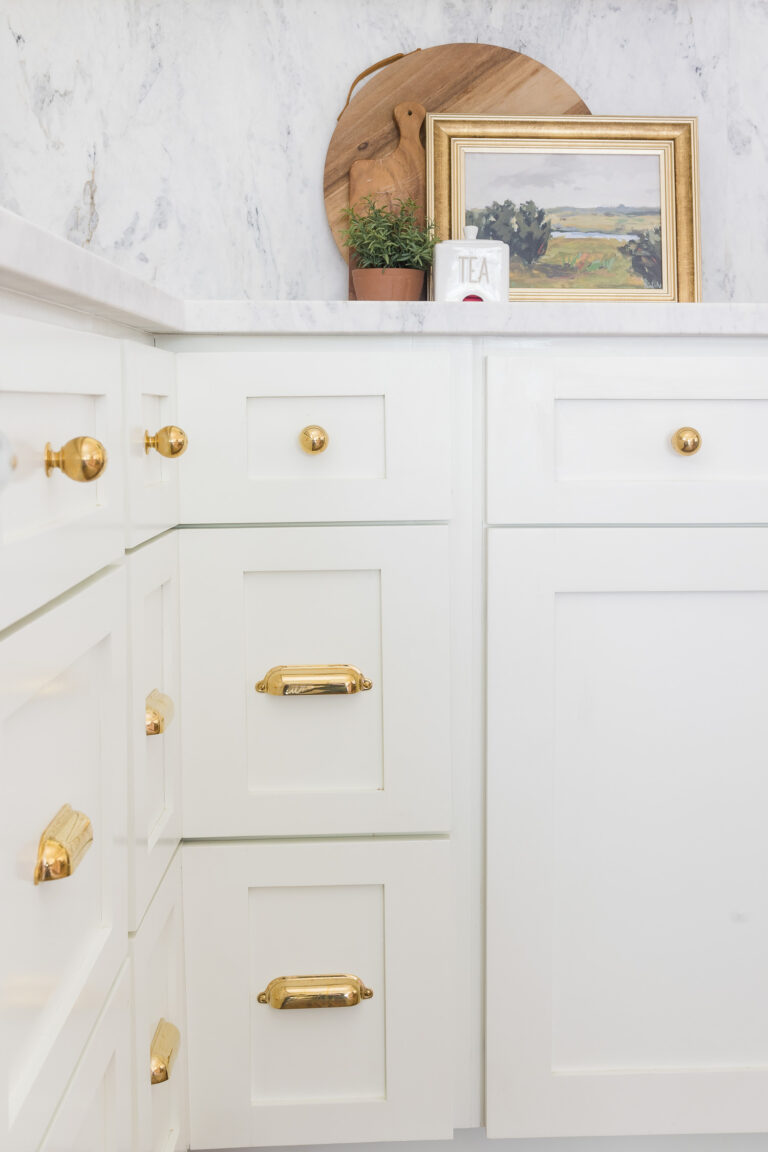
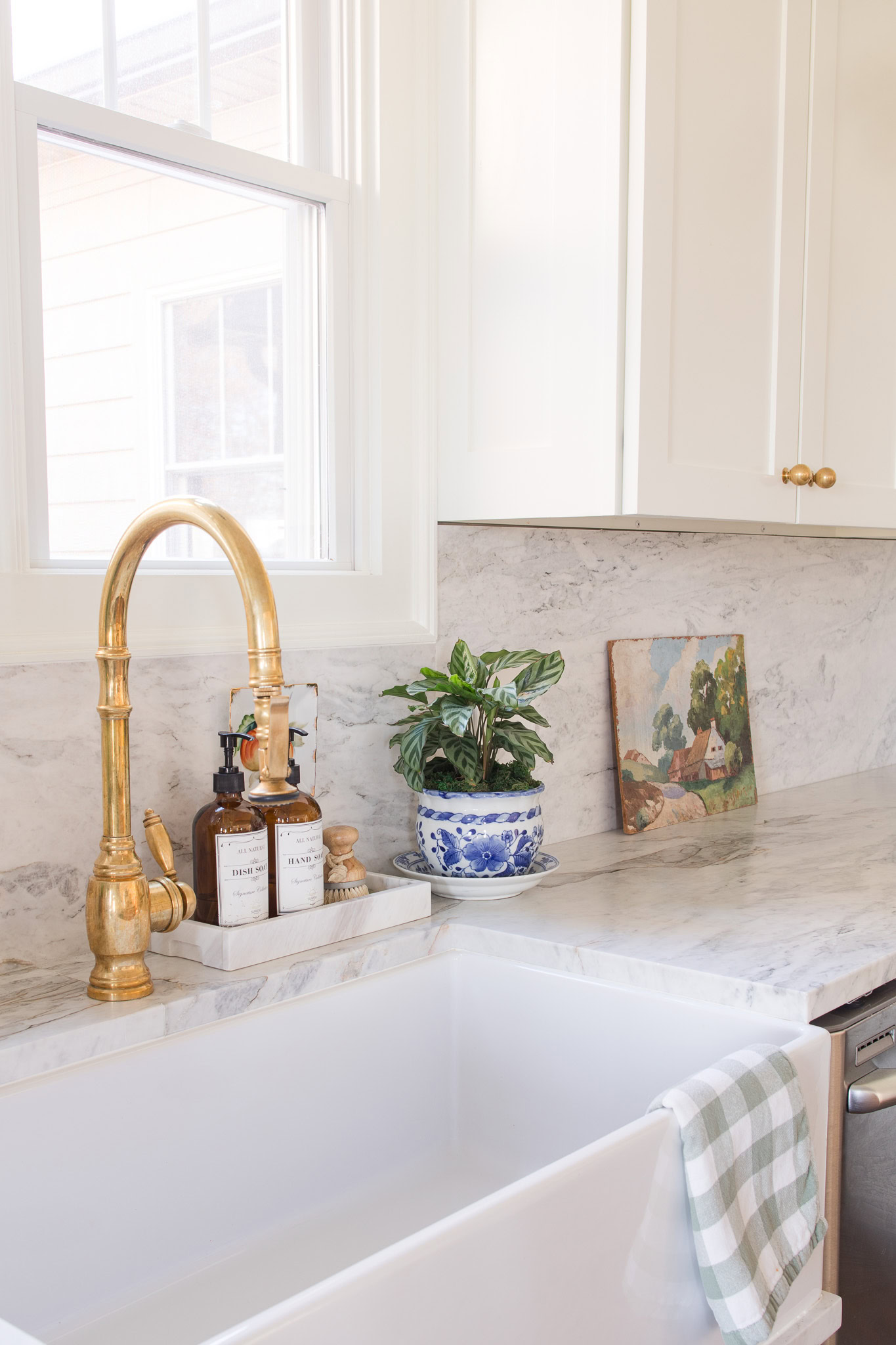
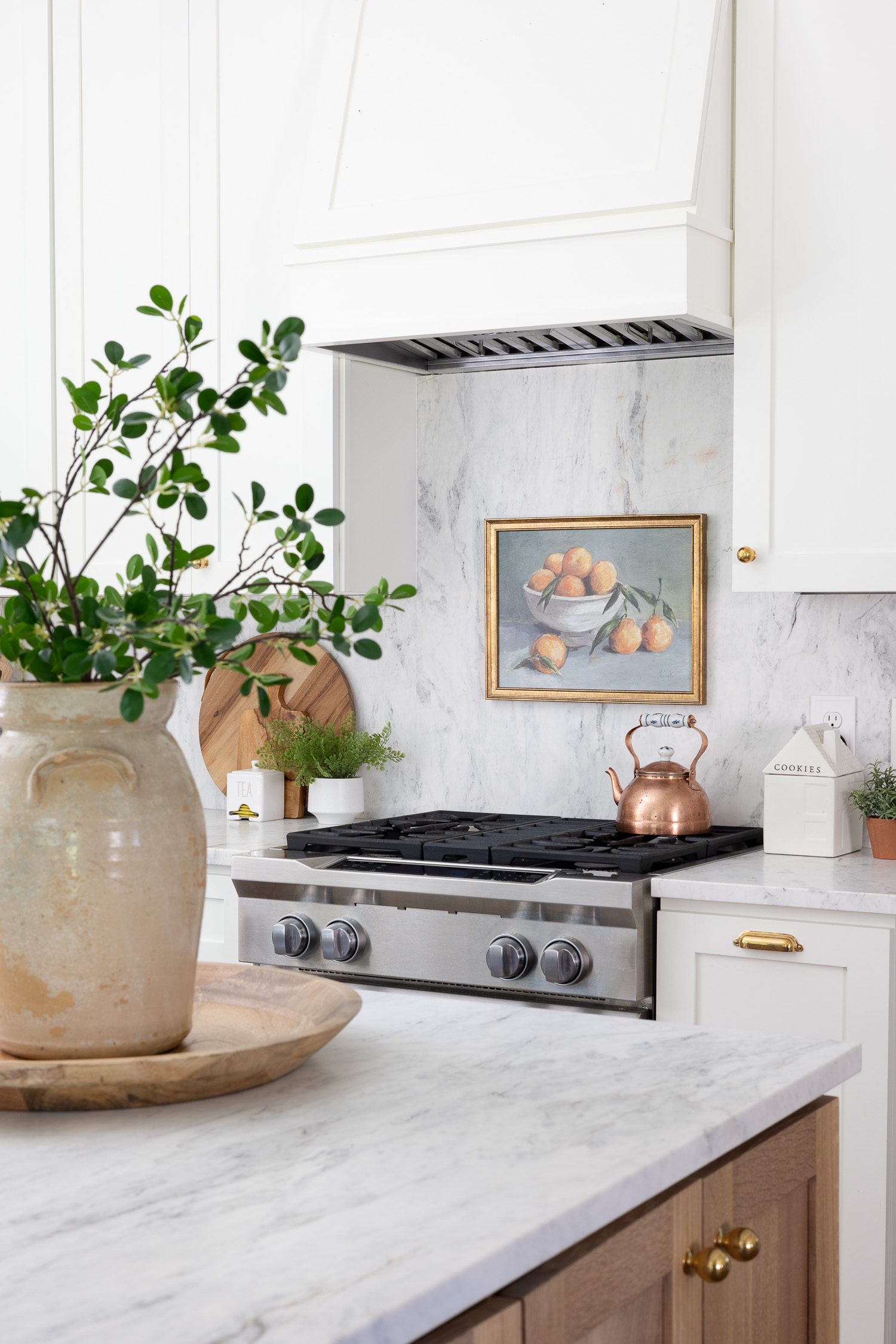
We even used marble as our backsplash and love it.
Americans and Marble Countertops
Americans have a thing for perfection or perhaps the appearance of perfection. When you travel to Europe or other parts of the world; they generally use real products. They are settled on the fact that marble will stain, or etch. In the D.C. area I worked with Egyptians and with a Ukrainian marble fabricator in our current home.
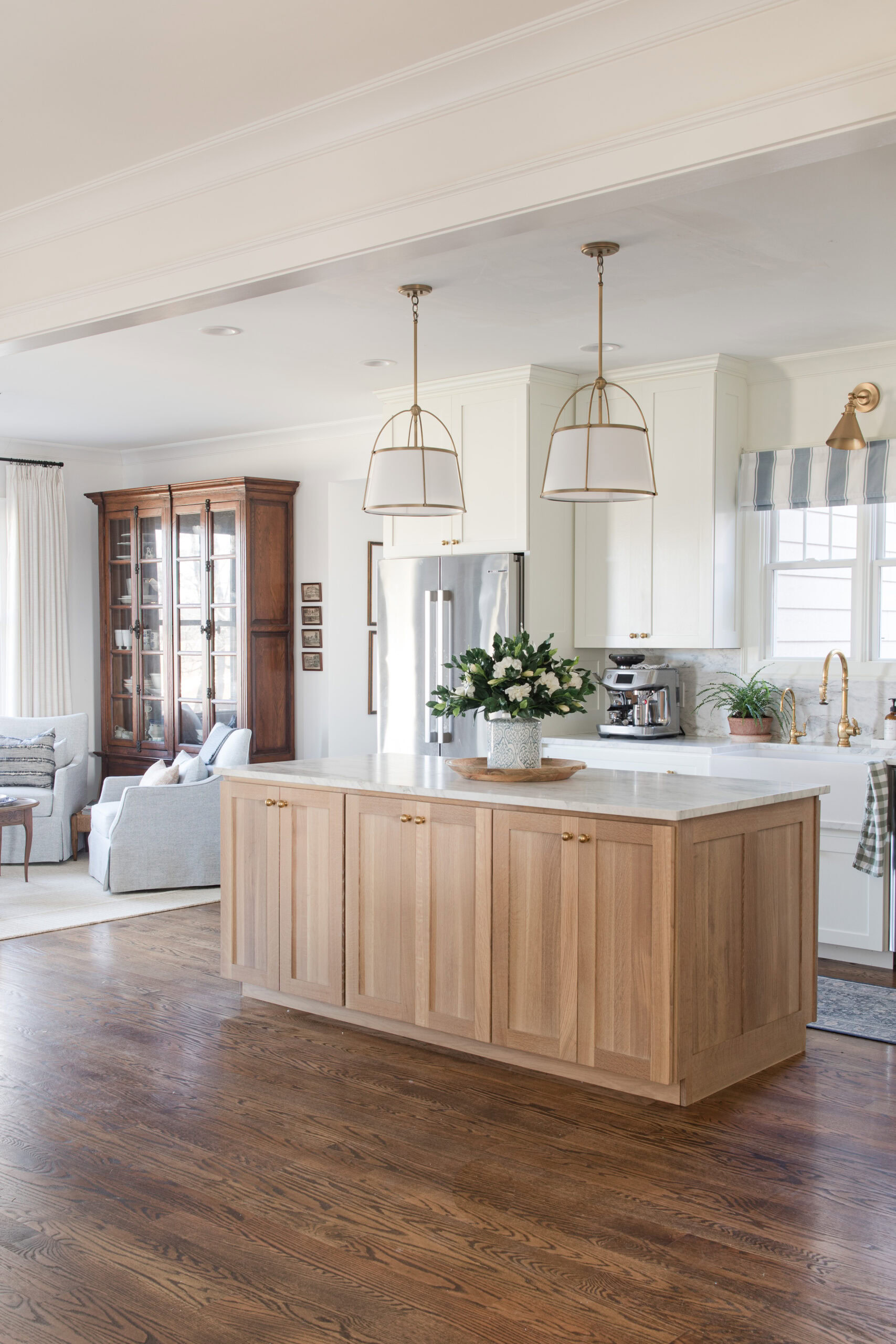
They said that Americans want everything to look perfect, be easy care and take abuse while expecting it not to retaliate. In the end I settled on marble because it is real, feels real and embracing the imperfections to come was part of what makes marble so wonderful!
What is Your Lifestyle?
Before choosing any countertop material, it’s important to consider your lifestyle and how your kitchen functions. Do you cook frequently? Do you entertain often? Marble countertops are not for everyone—they require some care and maintenance. However, if you love timeless beauty and don’t mind a little patina over time, marble may be the perfect choice. It’s especially appealing to home chefs who appreciate the heat resistance and natural cooling surface for baking and pastry work.
The Beauty and Pros of Marble Kitchen Countertops
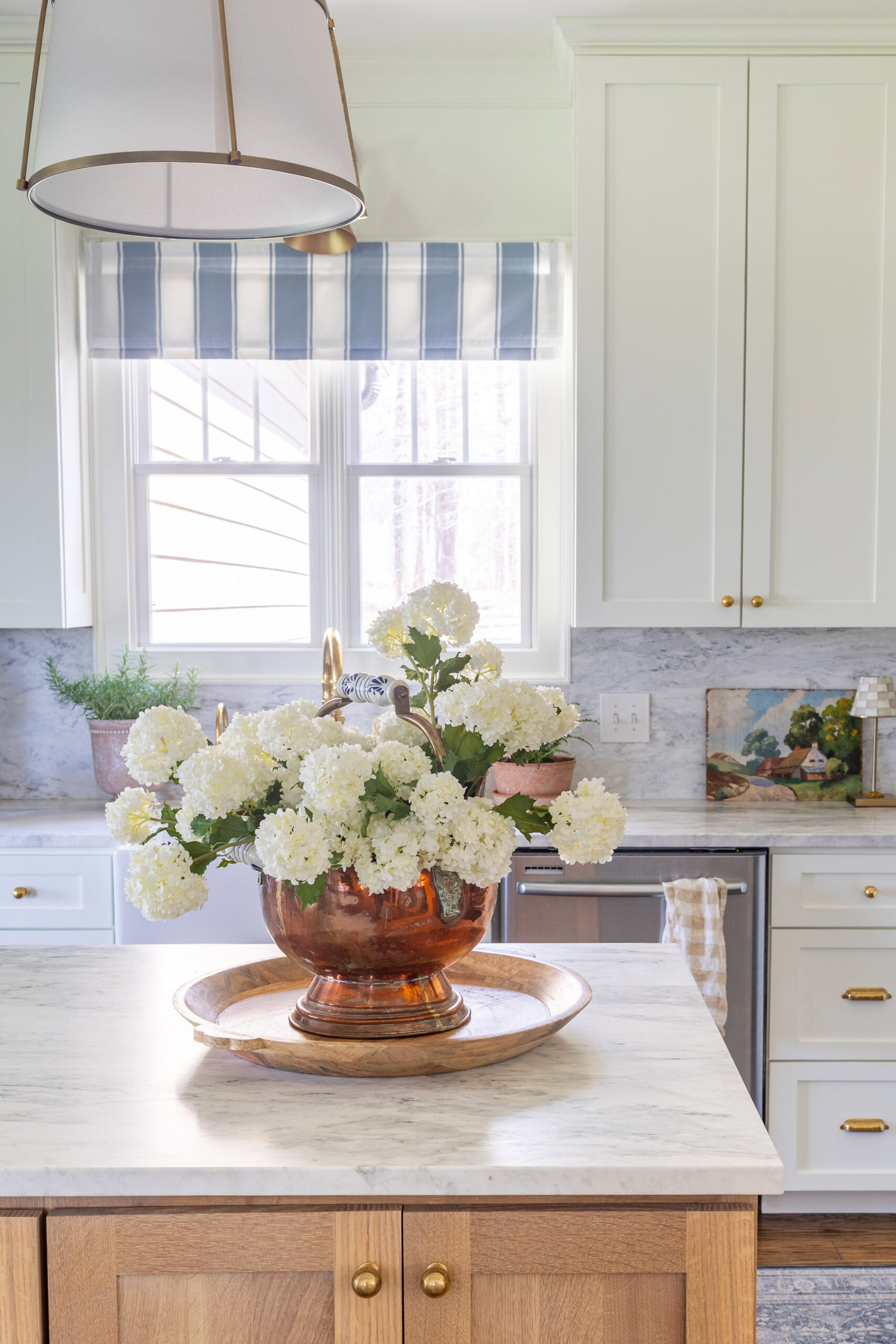
Marble countertops have been a staple of luxury design for centuries. Their soft veining, luminous surface, and natural stone texture give kitchens an elegant and classic feel that never goes out of style.
Check out these other posts!
Classic Kitchen Design
Why I Love Our Marble Backsplash
Is A White Kitchen Out of Style?
1. Marble is a Real Stone
Marble is a metamorphic rock formed when limestone undergoes extreme heat and pressure deep within the Earth’s crust. This natural evolution gives marble its signature veining and depth of color—features that can’t be replicated by synthetic materials. Each slab is truly one of a kind, bringing unique artistry to your kitchen.
2. Marble Can Be Less Expensive Than Other Countertops
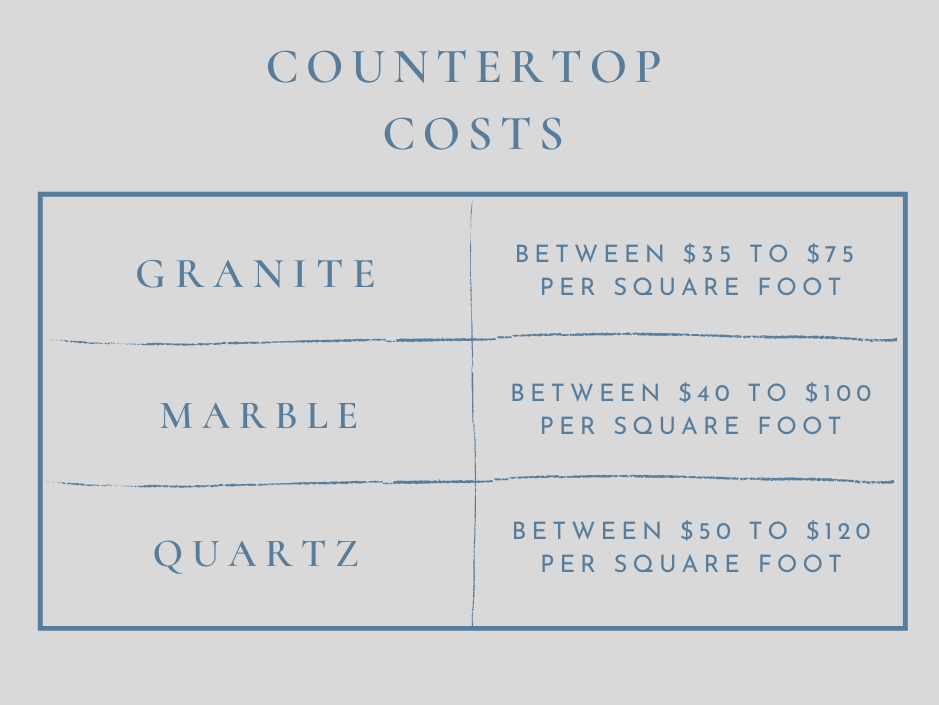
While marble is often associated with high-end luxury, certain varieties—such as Carrara marble—can actually be less expensive than quartzite or high-grade granite. The total cost will depend on the type of marble, edge profile, and installation details, but marble remains a competitive option for those seeking beauty without breaking the bank.
3. Marble Kitchen Countertops Offer Value to Your Home
Installing marble countertops can increase your home’s appeal and resale value. Buyers often associate marble with quality and craftsmanship. Even if small imperfections develop over time, many find that it adds character—a “lived-in elegance” that synthetic materials can’t mimic.
4. Marble is Durable and Heat Resistant
Marble has been used in architecture for thousands of years because of its durability and resistance to heat. You can place hot pots and pans directly on the surface without causing immediate damage—though it’s always best to use trivets or pads to extend its life. Its cool surface is also ideal for rolling dough, making it a baker’s dream.
Cons of Marble Kitchen Countertops
While its elegance is undeniable, marble comes with a set of drawbacks that are important to consider before installation.
1. Marble Countertops Will Scratch
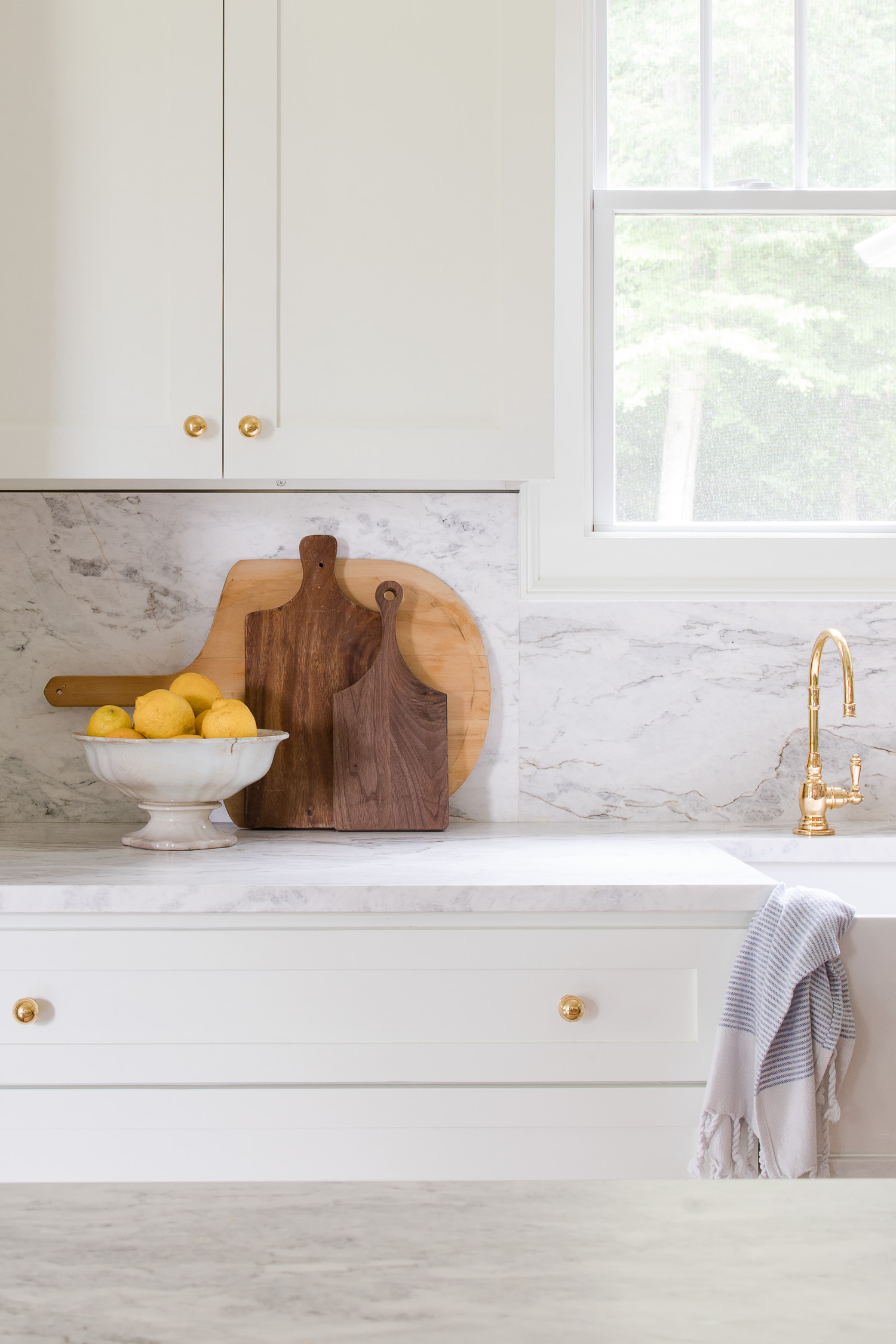
Marble is softer than granite and quartz, which means it’s prone to scratching. Cutting directly on the surface can cause marks, so using cutting boards is a must. Over time, these scratches contribute to a patina that some homeowners love—but others find frustrating.
2. Marble Countertops Will Etch
Acidic substances like lemon juice, vinegar, and tomato sauce can etch marble, dulling its shine. This occurs when acids react with the calcium carbonate in the stone. Etching is purely cosmetic, but it can detract from the polished look unless treated or refinished.
3. Marble Kitchen Countertops Will Stain
Marble is porous, meaning it absorbs liquids easily. Red wine, coffee, and oil can leave permanent stains if not wiped up quickly. That’s why sealing your marble regularly is essential to help prevent discoloration.
4. Marble Countertops Have to Be Sealed Regularly
Because of its porosity, marble should be sealed every 6 to 12 months, depending on usage. A high-quality sealer creates a protective barrier, reducing the risk of stains and etching. It’s a simple process, but homeowners should be diligent about this upkeep.
We have been lazy and not sealed out countertops since install in 2023 and we haven’t had any issues
5. Marble Kitchen Countertops Are Expensive
Although entry-level marble can be affordable, rare varieties like Calacatta or statuary marble are among the most expensive natural stones available. Costs can increase if custom sections or edge profiles are required. However, the beauty and prestige often make it worth the investment. We used the “cheapest” marble on the market – Carrara.
I paid less for marble than I would have for quartz
Polished vs. Honed Marble Countertops
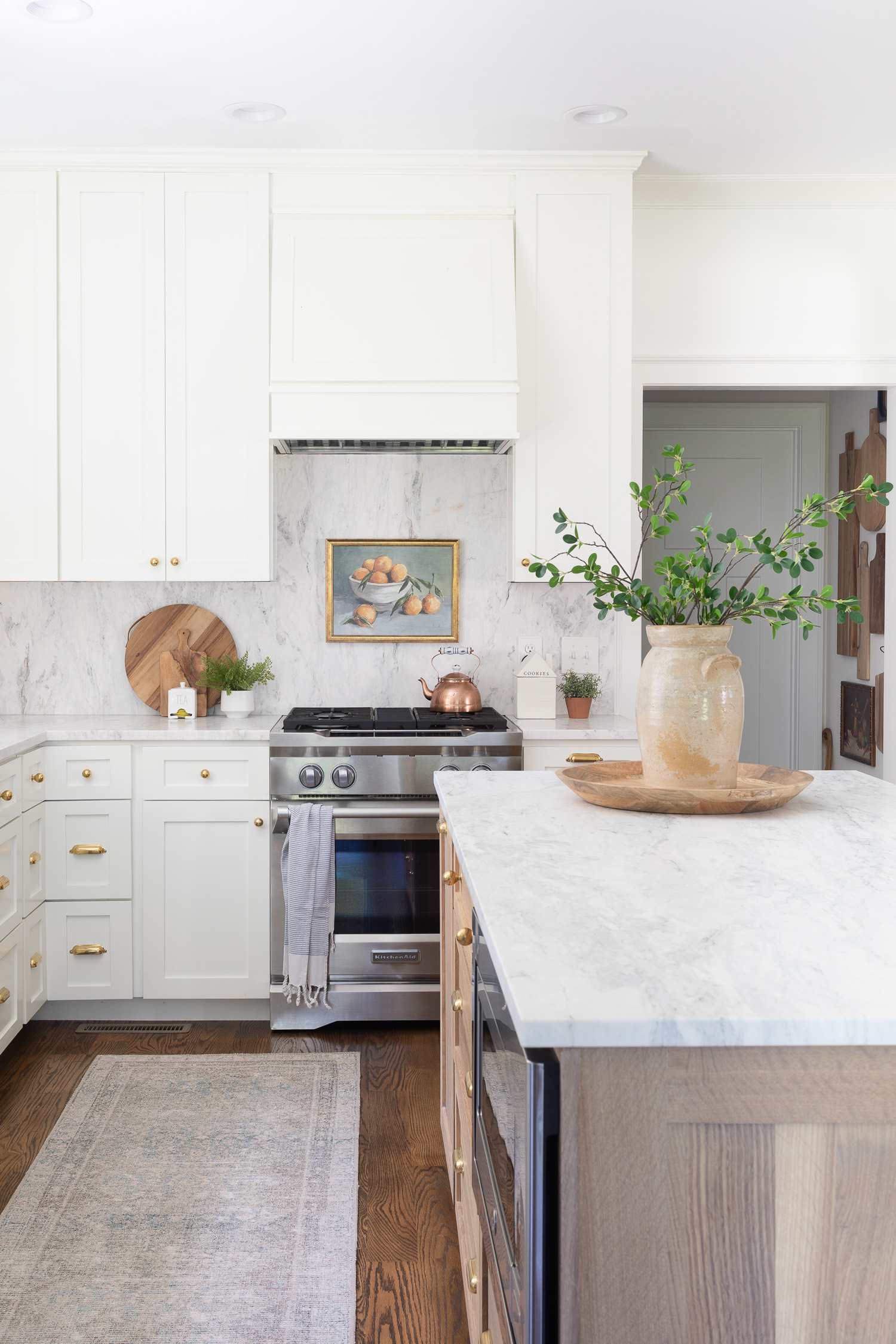
Polished marble has a glossy, reflective finish that enhances the colors and veining. It’s elegant but shows scratches and etches more easily.
Honed marble, on the other hand, has a matte finish that hides imperfections better and provides a more subtle, modern look. While it’s slightly more prone to staining, it’s often considered the more practical option for busy kitchens.

Selecting a Marble Fabricator
When we lived in the Washington, D.C. area; there were several marble places to chose from. I am convinced all of them would do a good job. When we moved to a different state in a more rural area; marble fabrication was not as prevalent.
Be careful with who handles your countertops. This is not something you want to just have someone guess at. I went to three different countertop places in our area and I walked away convinced that NONE of them were skilled in marble.
They only pushed quartz because “that’s what everyone in the area uses.” RUN – do not allow someone who is not skilled touch your countertops. I ended up going the next state over and found a wonderful marble fabricator.
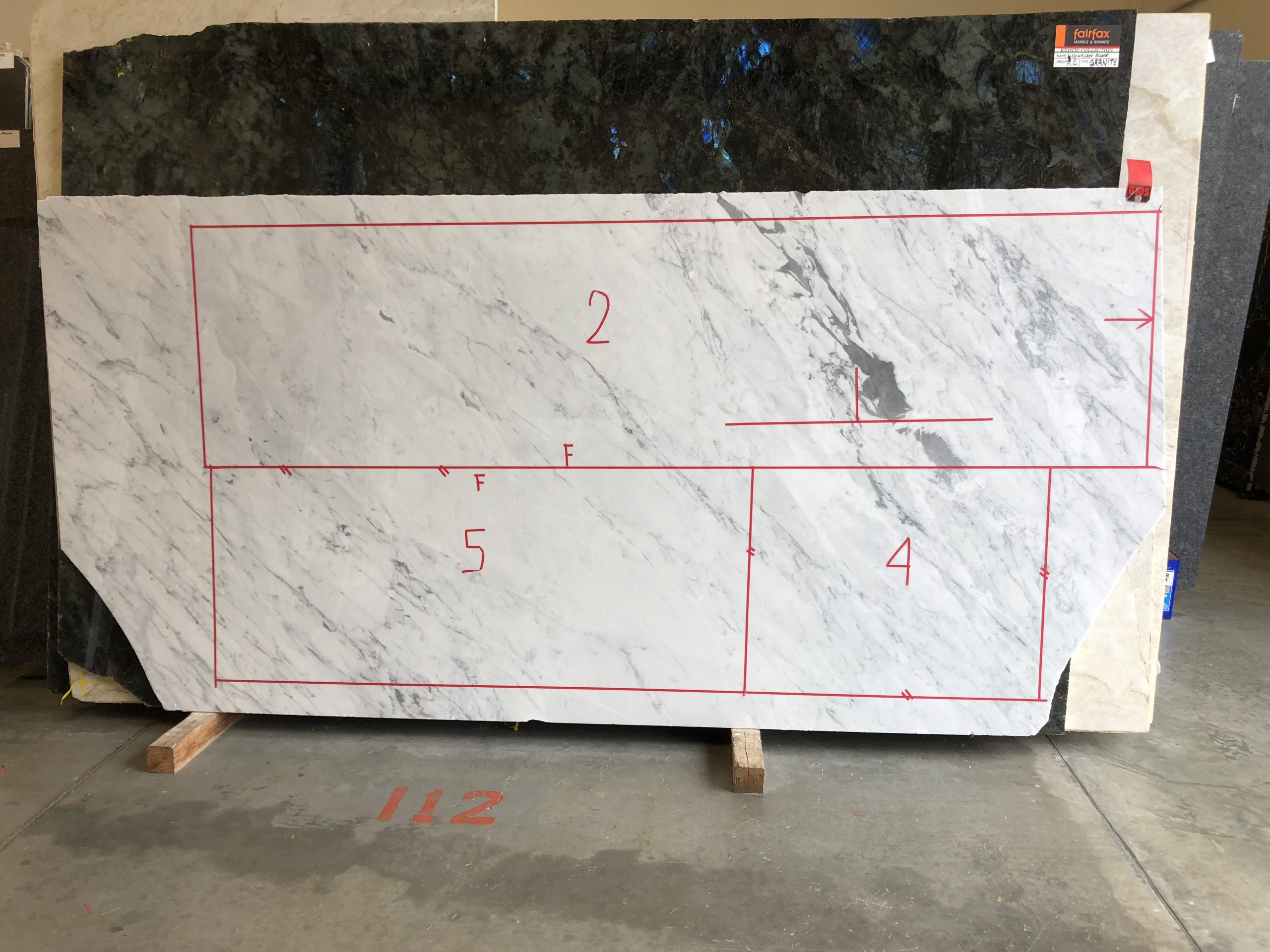
Selecting Your Marble Slab
Each piece of marble is unique. When you use quartz countertop you do not have to select your slab; you usually just view a small sample.
With marble, you will have to go and select a slab and work with the fabricator on the layout as you see ours below.


Amazon Storefront
Follow my Amazon Storefront to find more looks for less and all our finds!
Follow along: Instagram | Pinterest | LiketoKnowit